












































































































































































We live in a time where constant online entertainment is readily available and difficult to resist. Apps such as Snapchat and Instagram allow us to interact with friends while endlessly scrolling through short videos so mind-numbing that any concept of time is eradicated from our minds. Social media platforms and algorithms are specifically engineered to keep users engaged as long as possible, often at the expense of real-world interaction and meaningful connection.
In 2020, the world experienced a global pandemic that left many people isolated in quarantine. With nowhere to go, social media usage skyrocketed. TikTok reached its peak popularity at this time, achieving 318 million downloads in 2020 alone. By 2022, Instagram hit 2 billion users worldwide, and in 2024 it was reported that 432 million people accessed Snapchat every day. These platforms served as a form of escape for many people, providing distraction from the pressures, stress, and uncertainty of everyday life, as well as instant access to information and connection across the world. While social media was created with the positive intention of connecting people, providing comfort during an unprecedented time, its lasting effects pose serious concerns.
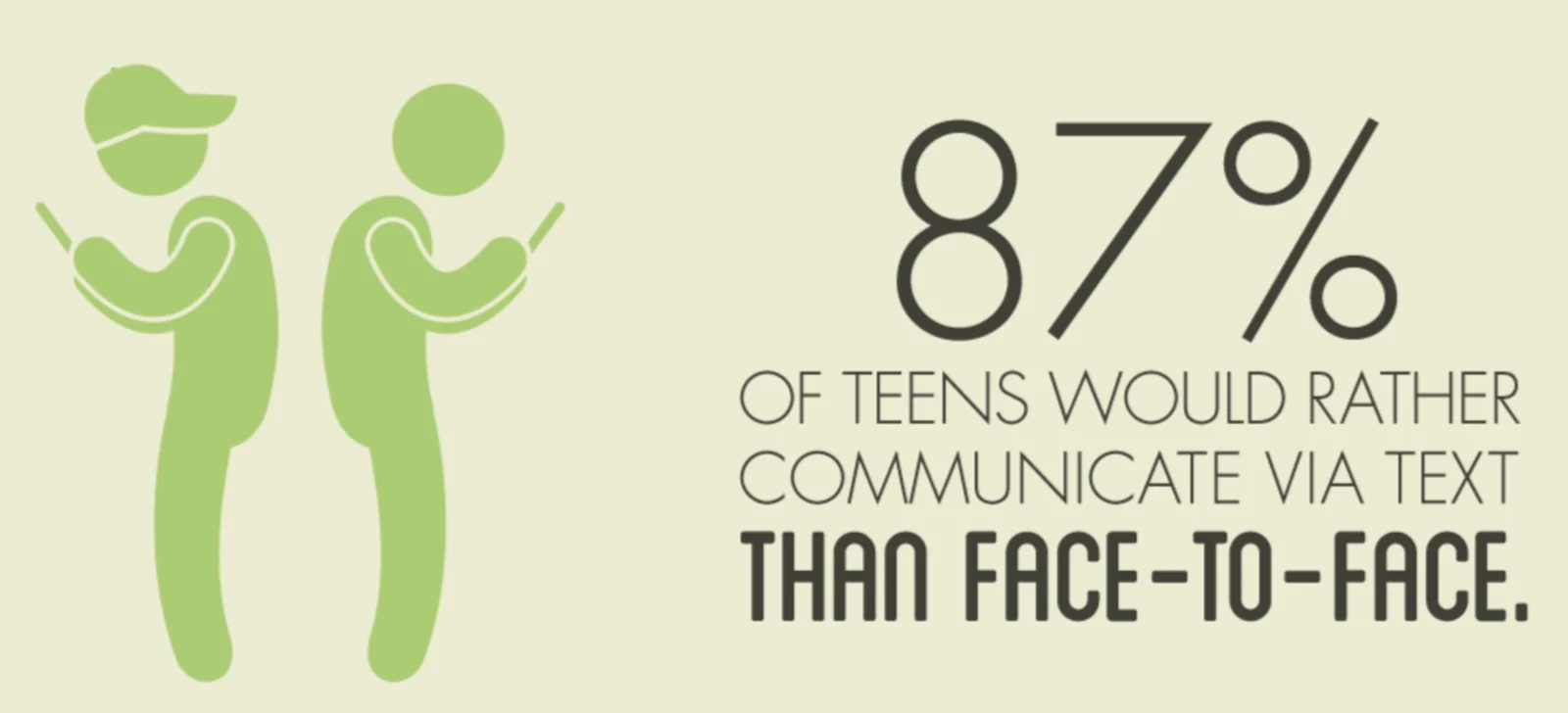
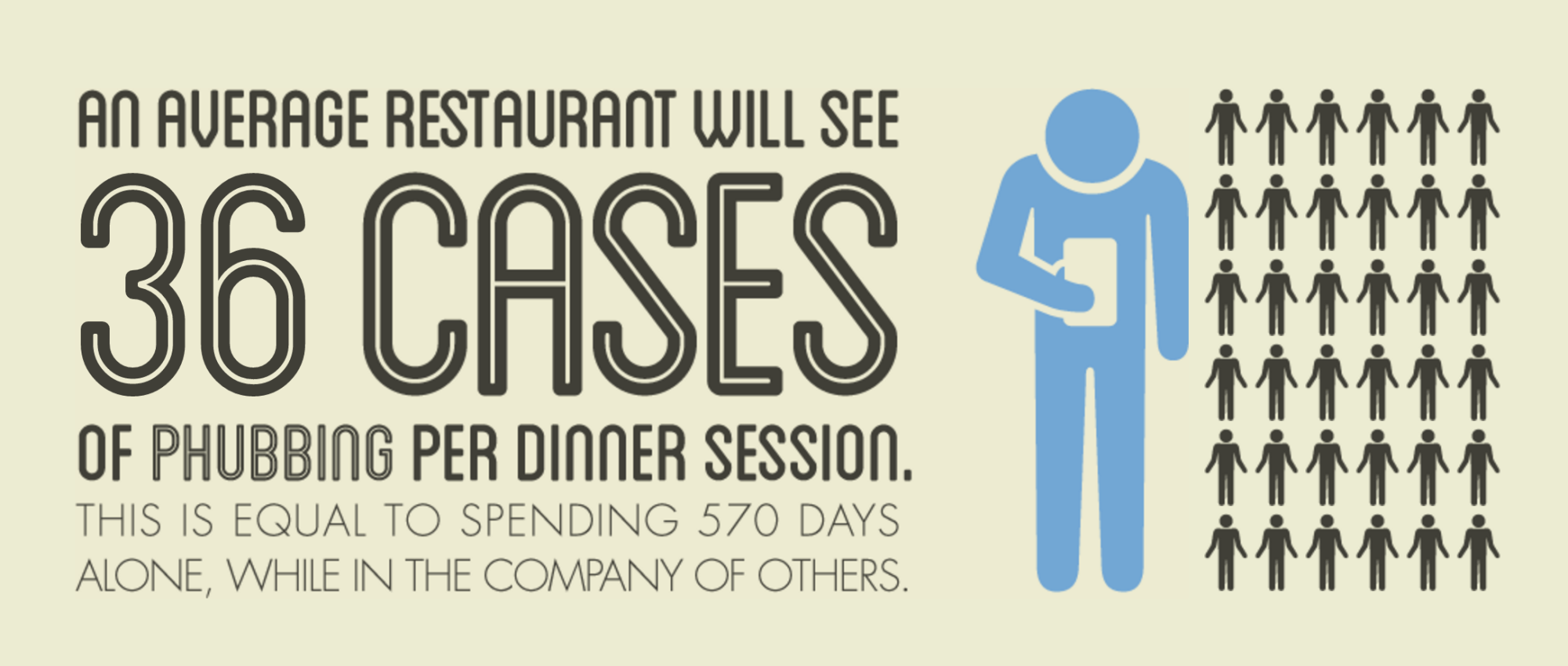
After social media’s rise during the Covid-19 pandemic, the popularity of short-form videos decreased the attention spans of the average internet user. Creators adapted to this growing demand, and now the majority of online content is designed to be consumed in seconds, conditioning users to expect instant gratification. These short videos trigger immediate and repeated dopamine releases in the brain. Dopamine is activated during enjoyable activities and is the chemical responsible for pleasure and reward, boosting mood, energy, and satisfaction. While positive in-person conversations also cause a release of dopamine, social media algorithms work to trigger dopamine bursts similar to that of addictive substances, creating larger, more compulsive dopamine surges. Every swipe, notification, or new post reinforces this cycle of immediate reward. Over time, this actually rewires the brain, causing focus, patience, and the ability to tolerate silence or boredom to decrease. Real-world interactions require attentiveness and effort, often unfolding slower than TikTok shorts and thus feel boring in comparison. As a result, people often reach for their phones out of instinct in moments previously reserved for human connection. This habit has made it more difficult to focus on everyday tasks, such as holding engaging conversations or even enjoying a proper meal. According to a recent survey done by Culinary Confessions, 60% of millennials and an overwhelming 81% of Gen-Z admit to using their phones at the dinner table. This behavior is not only impolite, but it connects to a larger problem directly caused by increased access to social media. Attention spans have grown so low that people now struggle to enjoy time with loved ones without the presence of their phones, revealing how dependent we as a society have become on the virtual world.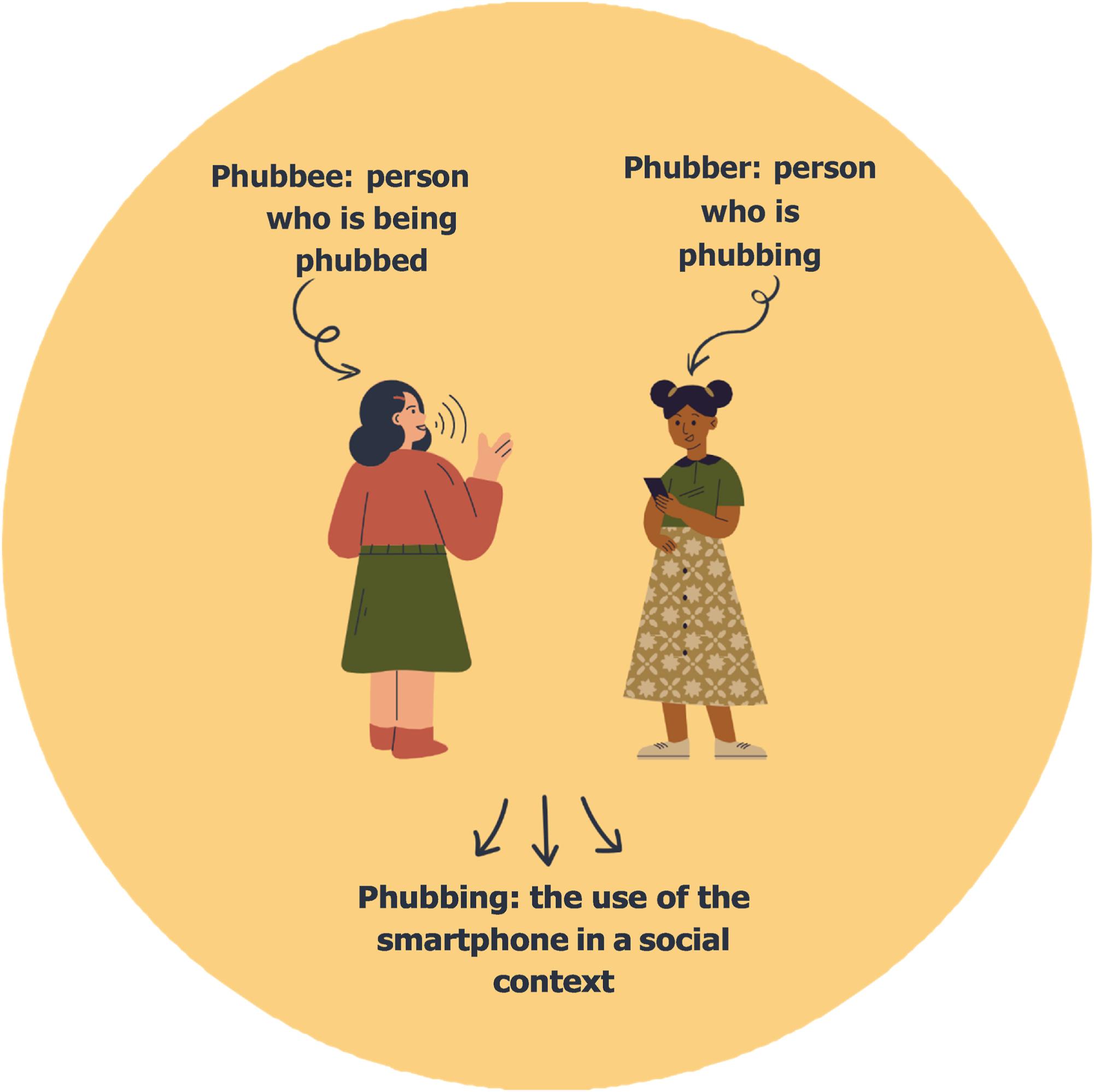
Personally, I believe accessing social media platforms at the dinner table is extremely rude. It isolates people from their families and friends, preventing genuine conversation and deeper connection. I have noticed a rise in this behavior in many settings, whether it be in the school cafeteria or at home with my own family, and I find it incredibly frustrating. I feel robbed of meaningful time with the people I care about, because having a conversation with someone whose attention is focused on the internet is nearly impossible.
Conversation is essential in building and maintaining strong relationships. Engaging discussion creates trust, empathy, and understanding incomparable to online connection. For centuries, the dinner table has been a place for families and friends to unwind, share stories, discuss opinions, and bring joy and laughter to one another. Allowing phones into such a valuable space weakens those connections and normalizes a lack of communication and bonding. Making the conscious choice to put phones away during meals is not about completely rejecting technology or social media use but about setting boundaries that foster human interaction online which experience cannot replicate.
In a world that constantly pulls our attention towards technology, not having phones at the dinner table is a small, but powerful step towards preserving increasingly rare and valuable connections. Rebuilding attention spans, counteracting social media’s negative effects, and restoring the presence of meaningful conversation in everyday life begins with intentional choices: choosing presence over scrolling, conversation over distraction, and our loved ones over fast-paced content on a screen in front of us.