



































































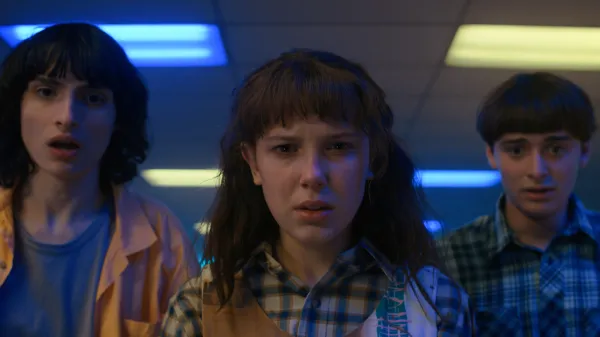


































Following the season finale of Stranger Things, we can’t help but notice how much the show has evolved. With its nod to 1980s films and culture, it has developed into an Emmy-nominated franchise loved by fans with its multi-layered exploration of cosmic horror. Beginning with a local search for a missing boy in the small town of Hawkins, it has expanded into a global and even interdimensional struggle. In Stranger Things, each season is a chapter in the complex plot as the show matures in complexity.
Kicking off the show, season one of Stranger Things can be characterized by its mystery, loss of innocence, and the subtle unraveling of a gothic America. In contrast to the 1980s itself, an era of youth and the rise of materialism, the reaction to the disappearance of Will Byers underscored the dangerous environment that was yet to unfold. The discovery of Eleven in the woods, followed by the realization that she escaped from Hawkins National Laboratory and the opening of a gate to the “Upside Down”, demonstrates the underlying mistrust experienced by kids, teens, and adults alike. In the search for Will, we come to the realization that the “Will” they are looking for is not just a 12-year-old boy, but also a search to find a way in the dissolving illusion of their reality.
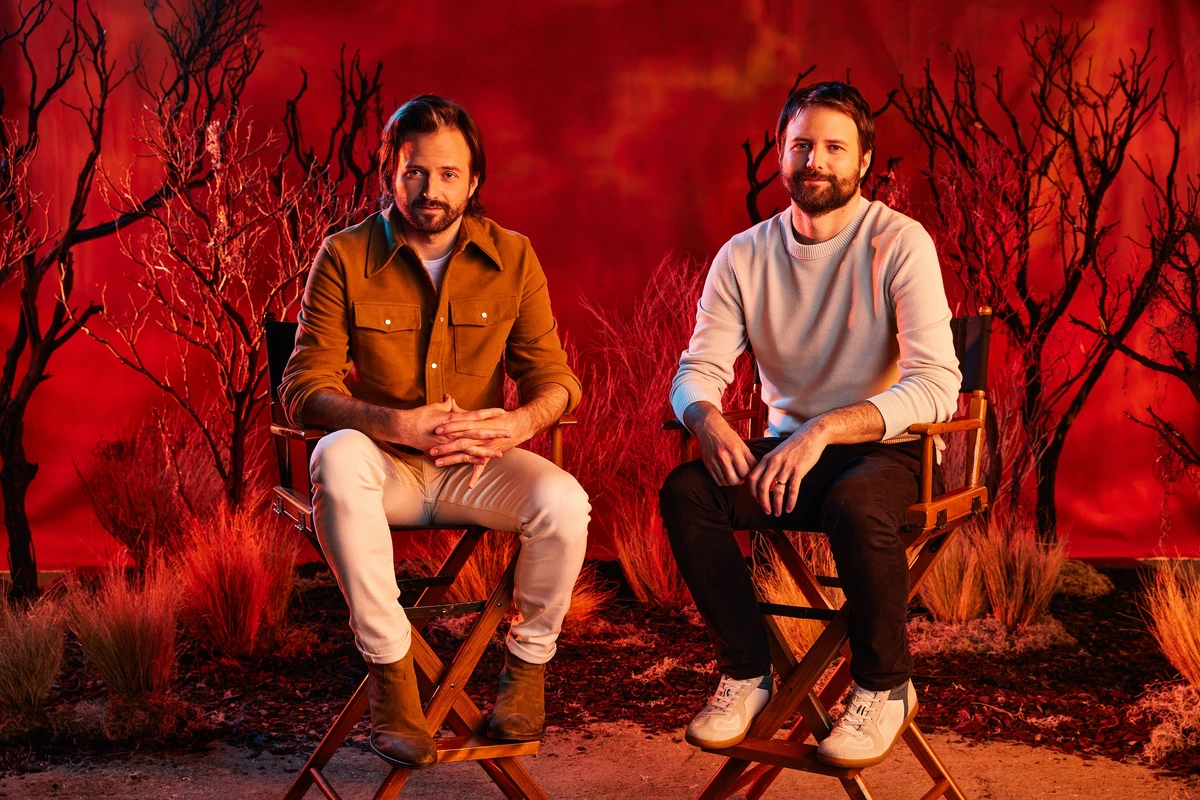
Season two is all about the aftermath of survival. Instead of being limited to the “missing person” narrative, the Duffer Brothers turn the thriller into a creative feature, as the audience is introduced to the Mind Flayer (essentially the first shadow demon following the Demogorgon), Max and Billy, and Eleven’s search to find her “sister” Kali. In this season, Nancy Wheeler struggles with the past grief of her best friend’s death by a Demogorgon, occurring in the first season. Consumed with guilt, Nancy is left absolutely traumatized as she seeks an escape from her own mind. As more characters suffer from PTSD and trauma, the loss of individuality becomes an overwhelming and collective force that brings the characters together. The lore deepens, and we discover the concept of the Hive Mind as more monsters descend upon the residents of Hawkins.
The aesthetics of season three provide a sharp contrast to the cold blues and grays of previous years. Drenched in vibrant neon hues, the season explores the end of childhood through the lens of 1980s consumerism. The Starcourt Mall serves as the primary setting, representing a clear critique of unchecked capitalism. It serves as a temple of consumption that destroys local businesses while literally hiding a monster in its basement. This is an allusion to the idea that the “monsters” of the modern world are often hidden behind the convenience and glitter of commercial success. To add more complexity, the scope of the plot expands to include international espionage with the Russian infiltration of Hawkins. We meet the terrifying “Meat Flayer” entity, a monster composed entirely from the dead bodies of Hawkin’s townspeople. This disgusting rendition signifies a shift towards a more aggressive, instinctive threat. Overall, the season explores the inevitability of change; the core group of friends drift apart in pursuit of romance and individuality. The tradition of playing Dungeons & Dragons is ultimately replaced by the messy realities of “growing up,” suggesting that the “monsters” of adolescence (jealousy, distance, and changing interests) are just as scary as creatures from an alternate dimension.
By the time the series reaches its fourth season, the complexity shifts from physical monsters to psychological horror. This season is defined by existential dread and the burden of shame, personified by the villain Vecna. Unlike previous seasons where death felt like an external accident or a predatory attack, the deaths and near-deaths in season four are deeply personal. Vecna targets individuals based on their secrets and their self-loathing, making the Upside Down a mirror for the human psyche. The narrative structure hits its peak complexity here, splitting the cast across Hawkins, California, and Russia. This global scale proves that the rot discovered in season one has completely breached the borders of their small town. The character of Eddie Munson becomes the emotional anchor for this season; as the “freak” blamed for crimes he didn’t commit during the Satanic Panic, his decision to stop running and fight back was a rejection of the town’s narrative. He died for a town that hated him, embodying the ultimate irony of the “hero’s journey.” His death emphasizes that in the world of Hawkins, the most marginalized are often the ones who pay the highest price for its safety.
As the series marches toward its final conclusion in season five, the complexity reaches an absolute zenith, shifting from a struggle for survival into a total existential war. With the barriers between Hawkins and the Upside Down finally collapsed, the setting itself has become a character: a town transformed into a literal battleground where the supernatural is no longer a hidden secret but an unavoidable reality. This final chapter reconciled the past, forcing all survivors to return to their rules to solve the original mystery of Henry Creel and the Upside Down. The thematic focus shifts to the finality of legacy: every character death before this moment now fuels the resolve of the group. The complexity isn’t about the splitting of the party across the globe, but about their convergence. The stakes have evolved into a cosmic scale where the “will” being fought for is the very existence of humanity.
In the finale, the show suggests that while the end of childhood is inevitable, the bonds formed within it are the only weapon capable of defying an interdimensional demon. Overall, the main characters are no longer children looking for friendship, but are soldiers in a war between reality and the void, leaving fans with a story that is as much about the pain of growing up as it is about fighting monsters.