






























































































THE BEAR FACTS STAFF EDITORIAL – MANY VOICES STANDING BEHIND A SINGLE MESSAGE
High school taught me a harsh lesson about human value that no textbook could capture: people measure you by what you can do for them.
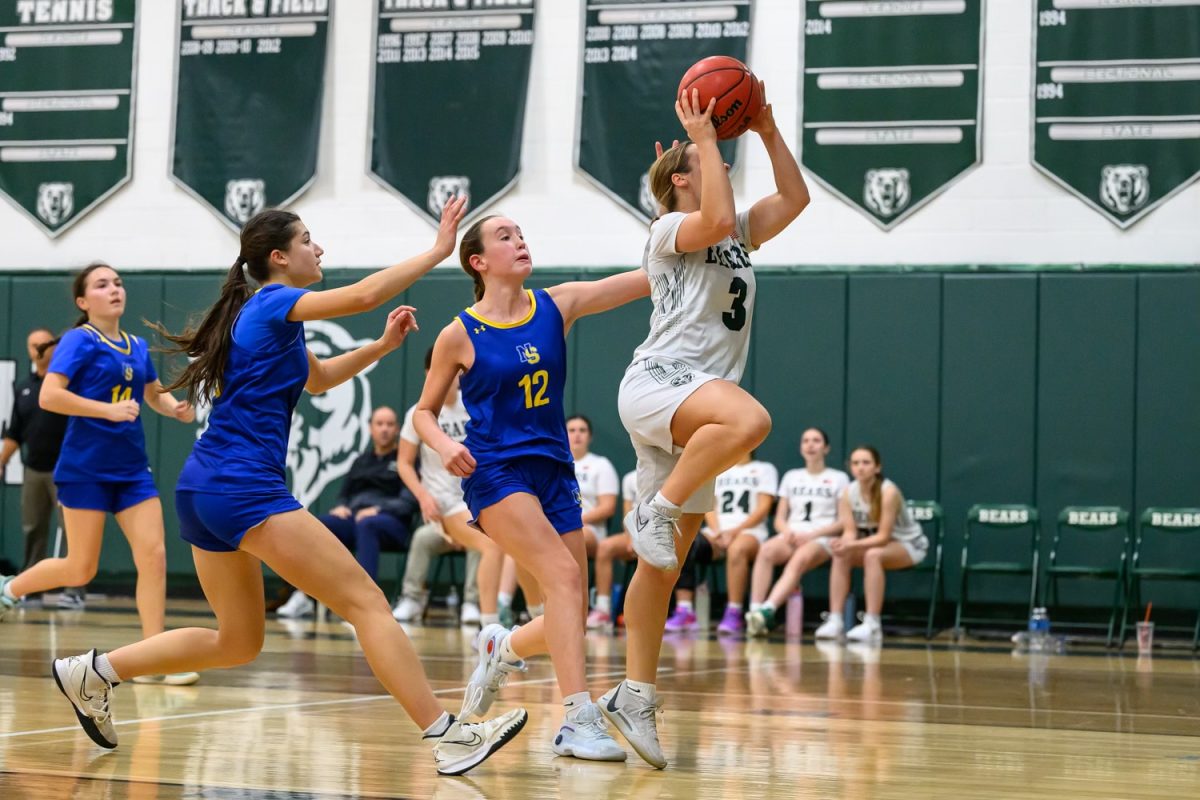
I was a varsity starter. A top student. I was the social butterfly with connections that others wanted. I had things people thought they needed.
And that’s exactly why I became disposable.
Looking back, high school operates on a brutal economy. Your worth is calculated in what you can extract from someone. I was valuable, not as a person, but as a resource. People didn’t want to know me. They wanted access to my academic brain, highly ranked positions in honor societies, connections among the community. I watched it happen constantly. Peers would approach me when they needed something — a homework explanation, intel on senior class operations, or the simple favor of doing the whole group project. There was no reciprocal interest.
The dangerous part about high school is how easy it is to internalize these lessons. By junior year, I’d started to believe that this transactional model of human relationships was inevitable. I thought maybe college would be the same, that people were fundamentally self-interested and that I’d have to spend four years feeling like a background character in other people’s stories.
I was on the path to accepting that my value was limited to what I could produce or provide. I almost resigned to being disposable. But then something shifted. I realized that the world I was accepting wasn’t the only world that exists.
College feels like a chance to test a different hypothesis: that relationships don’t have to be transactional, that my worth isn’t determined by my usefulness. I want to surround myself with people who are curious about who I am, not just what I can do for them. I want to have conversations where there’s no hidden agenda, where someone asks me about my thoughts and actually wants to know the answer. I want to be chosen because someone enjoys my company, not because I solved their problem.
This is why it’s important to build genuine relationships—to be interested in others for who they are. The opposite of transactional relationships isn’t isolation, but real reciprocal interest. I want to ask people about their lives because I actually care, and I want to surround myself with people who do the same. Or to choose quality over convenience; high school makes us automatically stay in groups only because there is an available spot, but just because you “fit” doesn’t mean it’s the right spot for you. In college we have to be selective and not settle; maturing is realizing that 2 good friends are better than a whole fake group.
I am also currently learning how I have worth simply by existing. My value isn’t in my grades, my achievements, or what I can offer someone. It’s in who I am: my thoughts, perspectives, and the capacity to care about others. This is important when finding your people, to be vulnerable and overall to be yourself. The people worth knowing are the ones who appreciate you when you’re not performing or producing. To find them, you have to be willing to show up as yourself, not as a utility.
Even with negative aspects of it all, high school did teach me how to work within a network of transactions. College is the opportunity to build actual communities with people, spaces where showing up matters, where your presence is valued, not just by what you have to offer.
I think the biggest shift I need to make is realizing that there are people out there who operate on a different economy entirely. They measure relationships by presence and authenticity, not by what’s being exchanged. They believe that knowing someone matters inherently, not instrumentally. These people exist. They’re in every college, dorm room, every club. They’re not the majority, but they’re out there, the ones who text you just to say hi, who remember what you said last week. They will be the people to show up when you’re struggling even when they get nothing in return.
I want to be that person, too. And I want to find those people and build something real with them.
High school taught me a painful lesson: having everything people want doesn’t mean anyone actually wants you. It means you’re useful. It means you’re a valuable resource. Those skills, being athletic, being smart, being connected, can become a weapon used against you. A target for exploitation.
Moving forward, it’s important to protect that part of yourself, learn to say no to others, and learn that having less doesn’t mean being less. It might actually free you to find people who care about who you are and not what you can do. Don’t hide what you are or are capable of. Instead, be more intentional about the connections you foster and grow where the currency isn’t about what you can provide. In the fall, for many of you, college is the chance to believe in something different: that you’re valuable even when you’re not performing at your peak, that friendships don’t need to be transactions, and that there are people out there who will care about you, the real you, not just the version that is useful to them.
Learn to not feel grateful for being used.