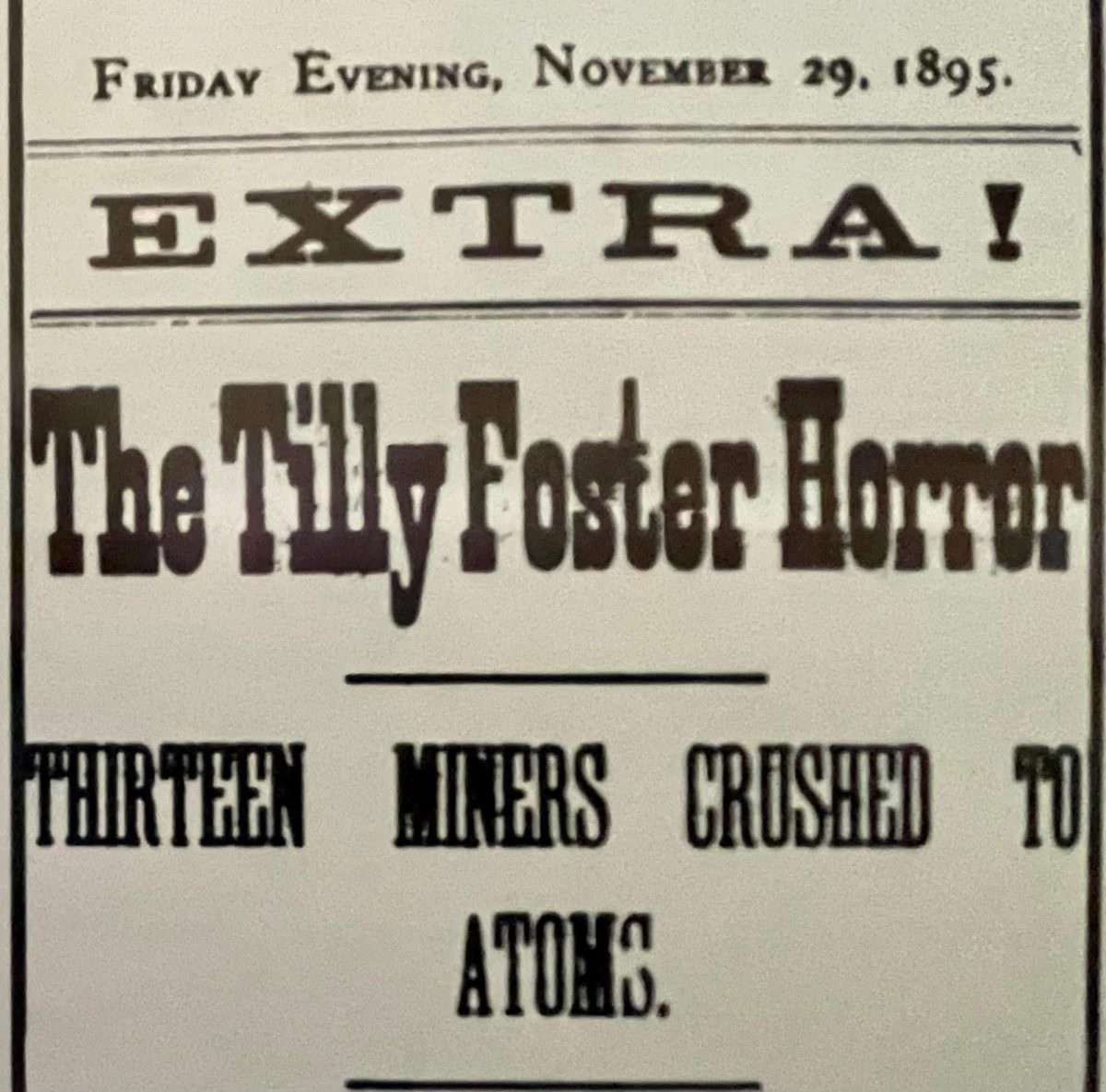




































































































































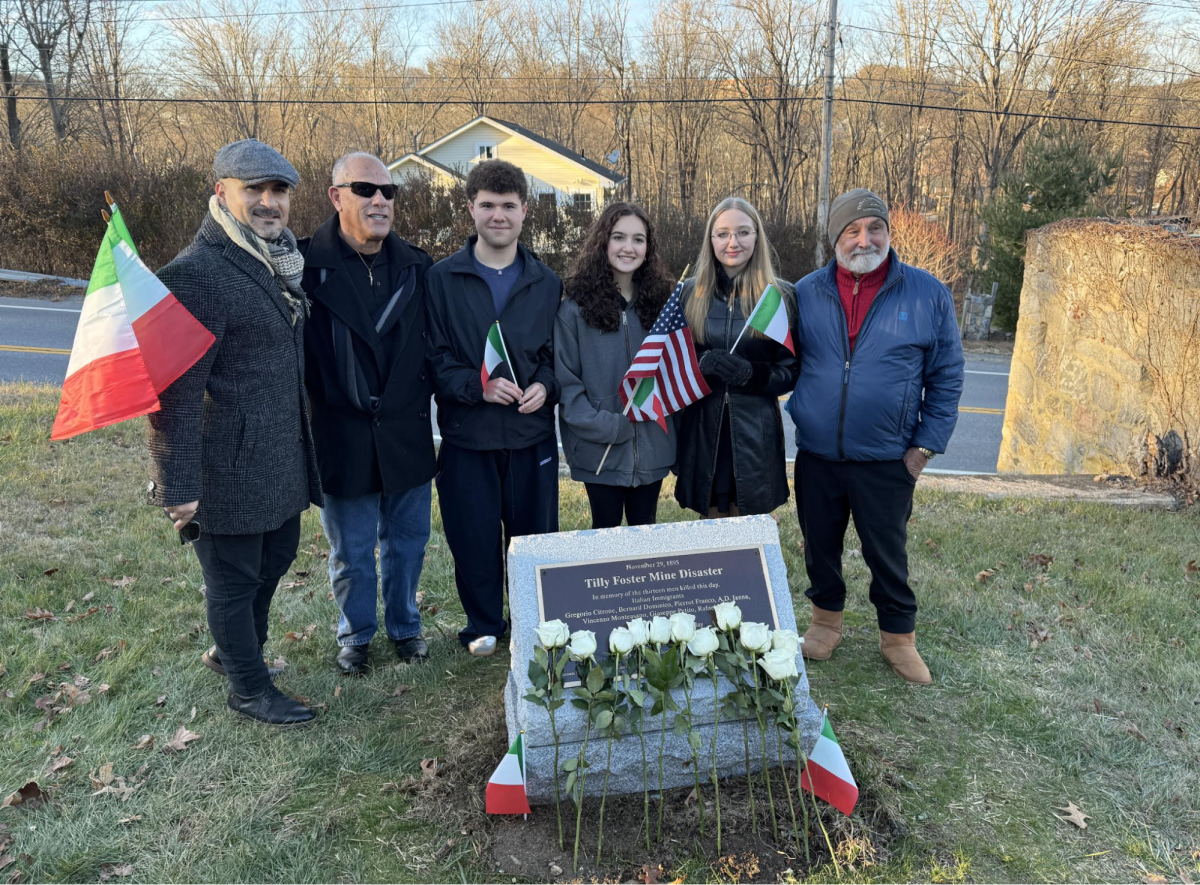












On November 30th, 2025, the Putnam County community gathered at St. Lawrence O’Toole Cemetery to commemorate the 130th anniversary of the Tilly Foster Mine disaster, one of the deadliest industrial tragedies in local history. Held at the exact day and hour of the 1894 mine collapse, the memorial ceremony honored the thirteen miners who lost their lives underground, with particular attention given to seven Italian immigrants whose identities had never been recorded. For more than a century, these men were known only as “Italian #1” through “Italian #7,” their names absent from official records, headstones, and public memory.
The Tilly Foster Mine, once a major source of iron ore, played a vital role in fueling America’s industrial expansion during the late 19th century. That growth, however, depended heavily on immigrant labor, especially men willing to perform dangerous, physically demanding work for low wages. On November 30, 1894, a catastrophic collapse deep within the mine claimed the lives of thirteen workers. While five of the victims, some of Irish and Austrian descent, were identified by name and given proper memorial burials, the seven Italian immigrants who perished alongside them were never formally acknowledged as individuals. Their erasure reflected the broader discrimination Italian immigrants faced at the time, when they were often viewed as expendable labor rather than members of the community.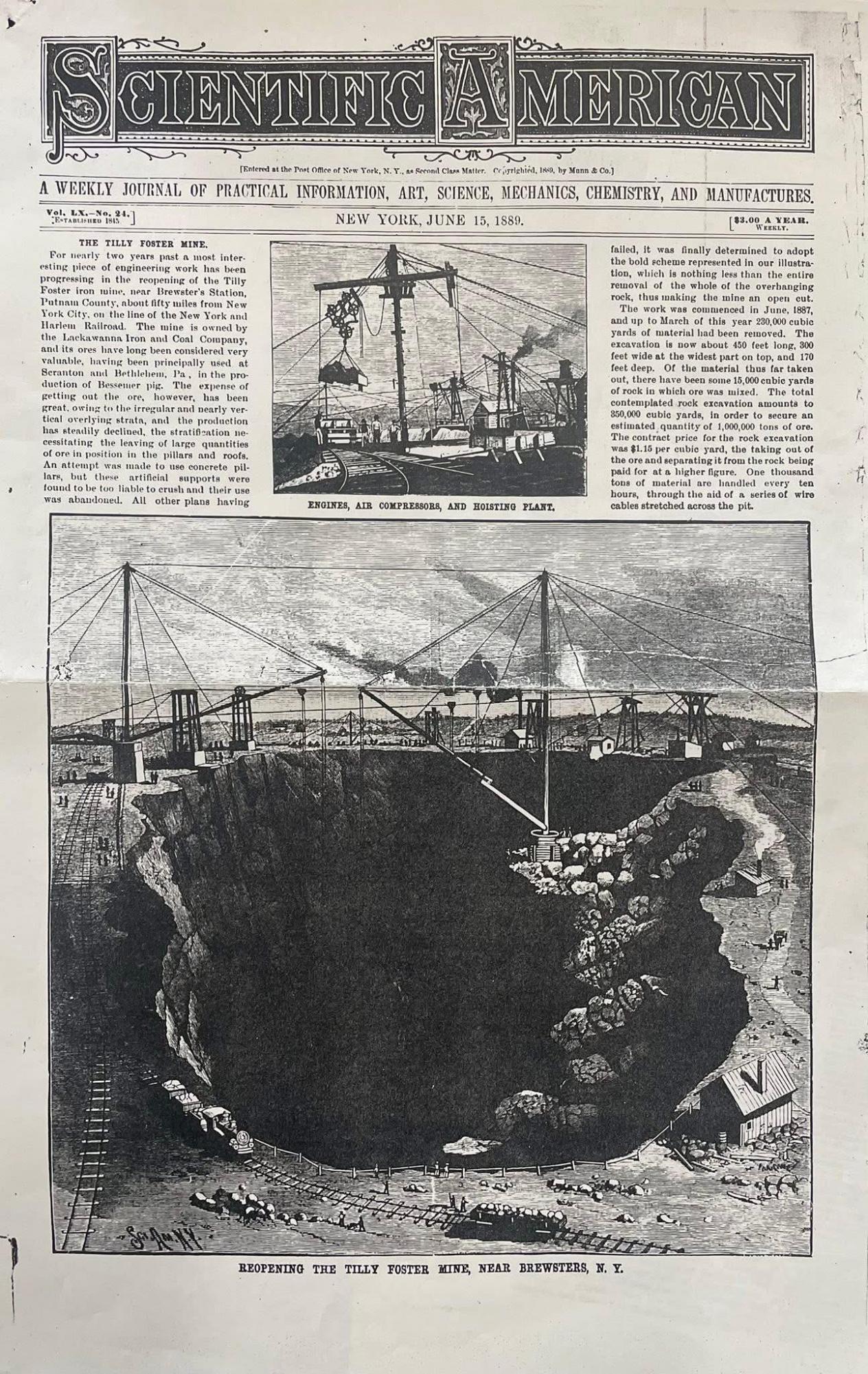
Most Italian immigrants working at mines like Tilly Foster came from southern Italy, including Sicily and Naples, regions marked by poverty and limited opportunity. Drawn to the United States by the promise of steady work and the hope of supporting families left behind, many found themselves underground in dark, unstable tunnels, exposed daily to injury and death. Despite the risks, they endured, motivated by devotion to family, faith, and the belief that sacrifice might lead to a better future for the next generation. Their contributions helped build local industry and infrastructure, even as their personal stories remained largely untold.
The 2025 memorial ceremony represented a long-overdue effort to correct that historical injustice. Organized by the Putnam County Italian-American Social Club, the event included the unveiling of a newly commissioned monument honoring all thirteen miners and formally recognizing the seven Italian immigrants whose lives had previously been reduced to numbers. Community members, local officials, historians, and descendants gathered to witness the dedication, with many describing it as both solemn and deeply meaningful. The ceremony emphasized not only remembrance but restoration: of dignity, identity, and respect.
Central to the event was the recitation of Emigranti (below), a bilingual poem delivered by Katherine Chapel. The poem traced the Italian immigrant journey from the soil of Sicily and Naples to the promise of America, capturing the emotional weight of leaving home, the brutality of labor underground, and the quiet endurance of those who worked in darkness so their families might survive. Its imagery of broken backs, wounded hands, and unspoken sacrifice resonated strongly with attendees, many of whom recognized their own family histories reflected in the verses.
Chloe LaMorte also recited a poem written by local resident Paul Fucito, adding another layer of community voice to the ceremony. The inclusion of multiple readings underscored that the tragedy of the Tilly Foster Mine was not only an Italian-American story but also a shared chapter of local history that continues to shape collective identity. The ceremony concluded with a moving performance of Ave Maria sung by Christian Sciarrillo. Rooted in Catholic tradition, the hymn reflected the faith that sustained many Italian immigrants through hardship and loss, serving as both a prayer for the dead and a moment of reflection for the living.
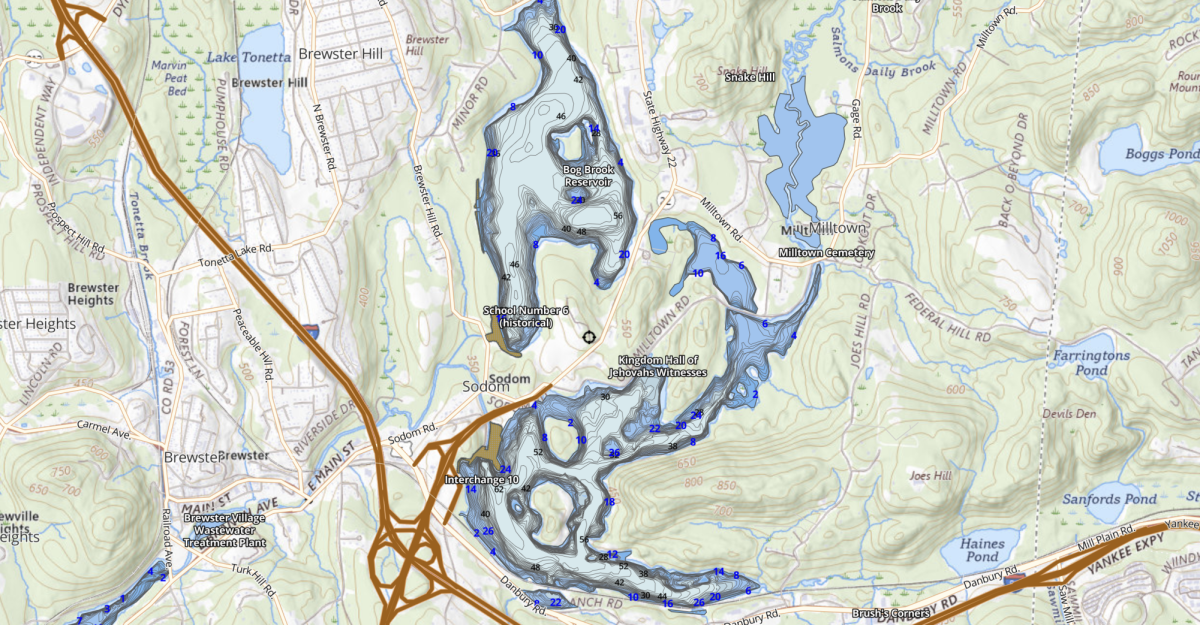
Organizers emphasized that remembrance would not end with the 2025 ceremony. A second memorial event is planned for spring 2026 at the actual site of the mine collapse, which will occur along the walking trails near the former mine. Holding a ceremony at the site itself is intended to connect the physical landscape with the human history beneath it, allowing visitors to stand where the men once labored and to reflect on the cost of industrial progress.
The Tilly Foster Mine disaster remains a powerful reminder of the human toll behind economic growth and industrial success. For decades, the seven Italian immigrants who died in the collapse were denied even the most basic recognition of their humanity. The 2025 memorial affirmed that, even after 130 years, it is possible to confront uncomfortable truths, honor forgotten lives, and ensure that those once reduced to numbers are finally remembered as men.