




















































































































































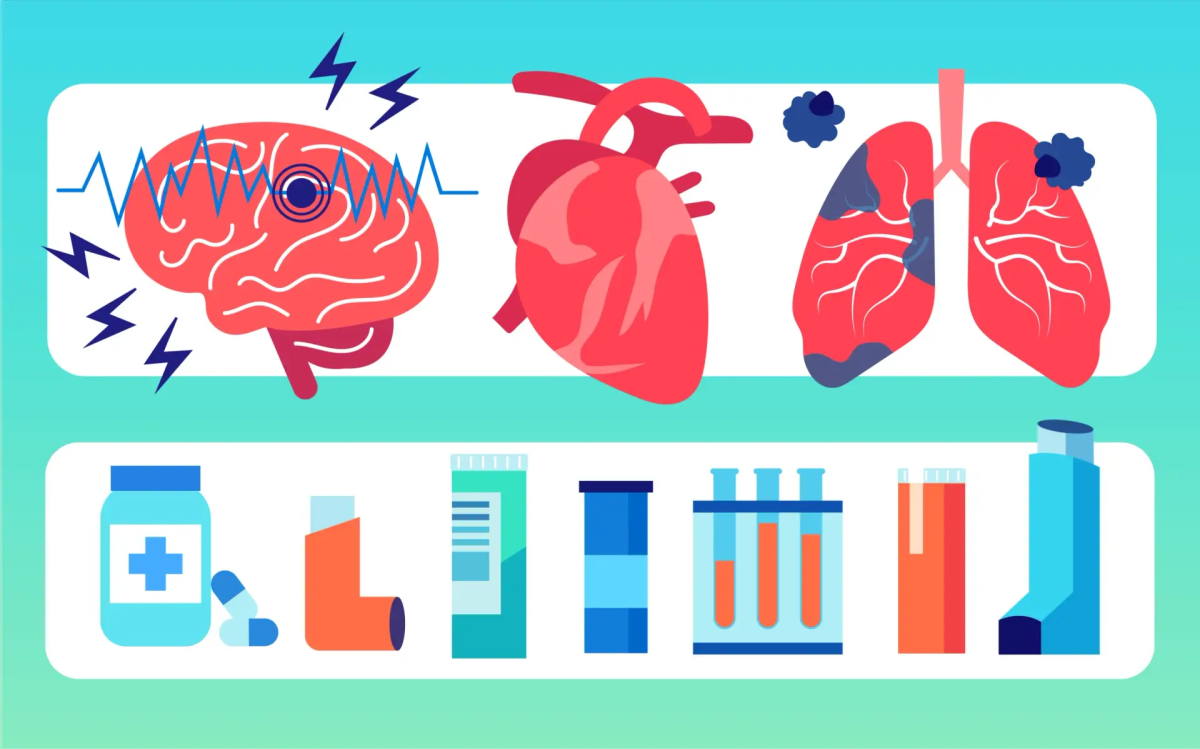






























A chronic disease is a medical condition that lasts for approximately a year or longer depending on the treatment given. They usually develop over time and can end up lasting for the rest of a person’s life. Most chronic diseases cannot be cured but rather be managed by inducing a certain medication or lifestyle changes. Approximately 6 in 10 young, 8 in 10 midlife, and 9 in 10 older US adults report 1 or more chronic conditions. Additionally, having to deal with these diseases does not only include wasting your time on something that could have been prevented but it is also very costly. Dealing with illnesses such as diabetes, obesity, and Alzheimer’s is tiring and hard to keep up with. PhD graduates indicated in their 2025 Public Health Research that “the total direct health care costs in the US for the treatment of chronic health conditions was $1.1 trillion. In addition to financial costs, increased death, and disability, the burden of chronic conditions includes decreased quality of life, increased health care utilization, lost productivity in the workforce, and loss in functioning (eg, social and leisure activities).” Chronic diseases are really common nowadays due to the insufficient care brought into the prevention of such.
Some common chronic diseases (the ones you probably mostly heard about) are:
- Coronary heart disease
- Stroke
- Cancer
- Type 2 diabetes
- Chronic obstructive pulmonary disease
- Asthma
- Alzheimer’s disease
- Hypertension
- Chronic kidney disease
Some reasons for the development of these diseases are excessive alcohol use, tobacco use, physical inactivity, and poor nutrition. Notice how all of these factors can be prevented just with a slight change in lifestyle? Adopting habits like quitting smoking, eating a balanced good quality diet, maintaining a healthy weight, staying active, regular sleep, and keeping up with recommended screenings can markedly lower the risk of developing these conditions. Here are more detailed preventions that should be taken into consideration:
Control cholesterol
Keeping cholesterol levels within a healthy range prevents fatty buildup in the arteries. When cholesterol gets too high, it can block blood flow which increases the risk of heart disease & kidney damage. You can prevent this by eating healthy foods, lowering the consumption of saturated fats, and exercising more often. It can also help maintain healthy cholesterol levels and protect overall health.
Manage blood pressure
Managing blood pressure is essential because by having a high blood pressure you are forcing the heart and blood vessels to work harder than normal. Over time, this extra pressure can damage the small blood vessels in the kidneys, which reduces their ability to filter waste properly. Maintaining a balanced diet, reducing salt intake, and exercising regularly can help keep blood pressure under control.
Reduce blood glucose
High blood sugar can damage the kidney’s filtering system, leading to long-term kidney disease. Being aware of the amount of sugar being consumed, staying physically active and following medical advice can help control blood glucose and support overall body function which, of course, lowers the risk of acquiring a chronic disease.
Keep a healthy diet
A healthy diet gets the essential nutrients your body needs. Eating fruits, vegetables, whole grains, and healthy fats helps maintain energy levels and supports kidney and heart health preventing chronic diseases.
Quit Smoking
Quitting smoking greatly improves overall health and reduces the risk of many serious diseases. Smoking damages blood vessels, decreases oxygen levels, and increases inflammation throughout the body, which can harm the kidneys and heart. Stopping smoking allows the body to begin healing, improves circulation, and lowers the chances of developing chronic health conditions.
Get active
Regular physical activity plays an important role in maintaining good health. Exercise strengthens the heart and muscles, improves circulation, and helps regulate blood pressure, cholesterol, and blood sugar levels. Being active also helps manage stress, maintain a healthy weight, and reduce the risk of chronic diseases, including kidney disease.
With just a little bit of prevention, and some smart practices in your daily routine, you can work to limit the impact of these chronic diseases. Let’s work together to stay healthy.