































































































































































The federal government shut down at 12:01 a.m. on October 1, 2025, after Congress failed to pass a budget for the new fiscal year. We were 44 days into what had become the second longest government shutdown in American history. The reality was stark: millions of Americans were watching their lives unravel not through some abstract political theater, but through the very real consequences of legislative paralysis.
The crisis finds its origins in July 2025, when Republicans approved the Trump administration’s request to rescind $9 billion allocated for foreign aid and public broadcasting. Washington Senator, Patty Murray, characterized this “partisan rescissions bill” to The New York Times as fundamentally undermining any prospect of bipartisan cooperation on the following year’s budget. As the September 30th deadline emerged, the White House Office of Management and Budget issued directives for agencies to prepare for inevitable layoffs. House Republicans passed a continuing resolution on September 19th to maintain funding through November 21st, but the measure failed in the Senate, creating the now completed standoff.
The fundamental disagreement centers on health care, though calling it merely a disagreement understates the ideological entrenchment at play. Republicans hold majorities in both chambers, yet Senate procedural rules demand 60 votes to advance most legislation. With only 53 Republican senators, Democratic support becomes essential. Democrats have insisted on a permanent extension of enhanced tax credits for Americans purchasing health insurance through the Affordable Care Act marketplace, establishing this as their non-negotiable condition. Republicans maintain that health care policy should be deliberated independently from the mechanics of funding government operations. Both parties advanced their respective proposals. Both failed. The result is a stalemate, though perhaps gridlock better captures the deliberate nature of this dysfunction.
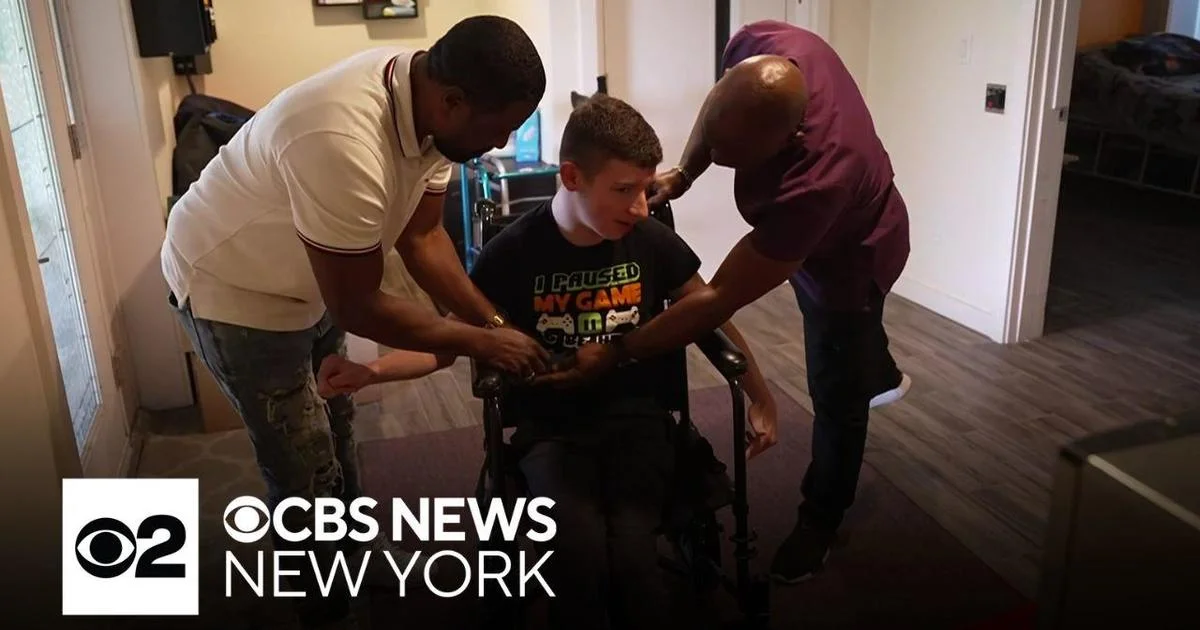
The human toll of this political obstinacy demands recognition. According to the Bipartisan Policy Center, at least 670,000 federal employees remained furloughed, while approximately 730,000 workers designated as essential continued their duties without compensation. Over 4,000 federal employees had received confirmed layoff notices. What proved particularly troubling was the crisis in food assistance. Roughly 42 million Americans depend on monthly food stamp distributions through their electronic benefit transfer cards. On October 16, the USDA instructed all state agencies to suspend the issuance of November benefits indefinitely. While federal judges in Massachusetts and Rhode Island have mandated that the Trump administration utilize emergency contingency funds to maintain food stamp coverage, profound uncertainty persisted regarding the timeline and adequacy of assistance reaching vulnerable families. The Congressional Budget Office projected that the shutdown could diminish national economic output by billions, estimating a 1-percentage-point GDP reduction should the halt extend to four weeks, escalating to 2 points should it persist for eight.
Negotiations remained intractable. The Senate adjourned Thursday until Monday afternoon, marking what will be the 34th day of governmental suspension. Democratic leadership maintained its unified position on Affordable Care Act subsidies. Republican leadership demonstrated equal resolve in their opposing stance. President Trump had urged Senate Republicans to invoke the “nuclear option,” fundamentally altering chamber rules to eliminate the procrastination and thereby avoid the need for Democratic cooperation. Senate Majority Leader, John Thune, however, had categorically refused to advance such a procedural transformation. This represented the 21st funding gap and 11th government shutdown in modern American history, the third to occur during a Trump presidency. We were rapidly approaching the duration record established by the 2018-2019 shutdown, which extended 35 days. With both parties fortified in their respective positions and no resolution materializing, hundreds of thousands of workers confronted mounting financial precarity, food banks operated beyond capacity, and essential federal services remained suspended. It represented a familiar pattern: the same shared stubbornness, the same ideological rigidity, the same fundamental unwillingness to perceive beyond partisan boundaries. And it was the American people, removed from these corridors of power, who beared the consequences of such tunnel vision.
As a result of the federal government shutdown, millions of Americans and federal employees were not receiving pay, healthcare, or SNAP benefits. For federal workers, the government shutdown reaching 44 days meant going 44 days without pay. Although supreme court justices and federal judges were receiving their due paycheck, as explicitly stated in the constitution, hundreds of thousands of other federal employees such as senate and judicial staffers, were marked as “essential” yet forced to continue work without pay. This meant that individuals dependent on living from paycheck to paycheck were at huge risk of losing their jobs and assets, such as their car or home, due to unforeseen circumstances forcing them to not pay their bills.
The major crisis at hand was filling the new gap of healthcare and reducing food insecurity that had become exacerbated by cuts to SNAP (Supplemental Nutrition Assistance Program) food stamps. To alleviate some tension, there was a court order made to send partial payments to “50% of households’ current allotments.” Obviously, this only helped in the short term, but it helped to prevent 12% of the Americans who use SNAP from going without food.
Whether it is the Republicans’ or Democrats’ “fault” when it comes to the shutdown shouldn’t matter—a consensus needed to be reached to reopen the government in the first place. Without our government, we were seeing the harsh effects for millions of Americans who rely on federal subsidies; we all were affected one way or another. Reopening the government was the start of settling disagreements, but we must consider the example that our elected officials are presenting. Instead of finding a middle ground, our people in power continue to play the blame game for the longest the government has been closed in the history of the US. From the working class to upper classes, everyone was affected.
Now that the shutdown is over, the ripples from these past 44 days may continue to affect us for awhile, and the stalemate that was this time may develop yet again unless we find that middle ground.