











































































































































































2026 is a wonderful year for sky watchers. This year holds an incredible amount of major celestial events, including not only supermoons and meteor showers, but also eclipses and planetary oppositions. All of these breathtaking events offer a special opportunity to observe, learn, and understand the movements of objects in space.
January
Supermoon – The biggest supermoon of the entire year occurred on the 3rd of January. During this night, the moon appeared larger and brighter than usual due to it being at its closest point to Earth during the full moon.
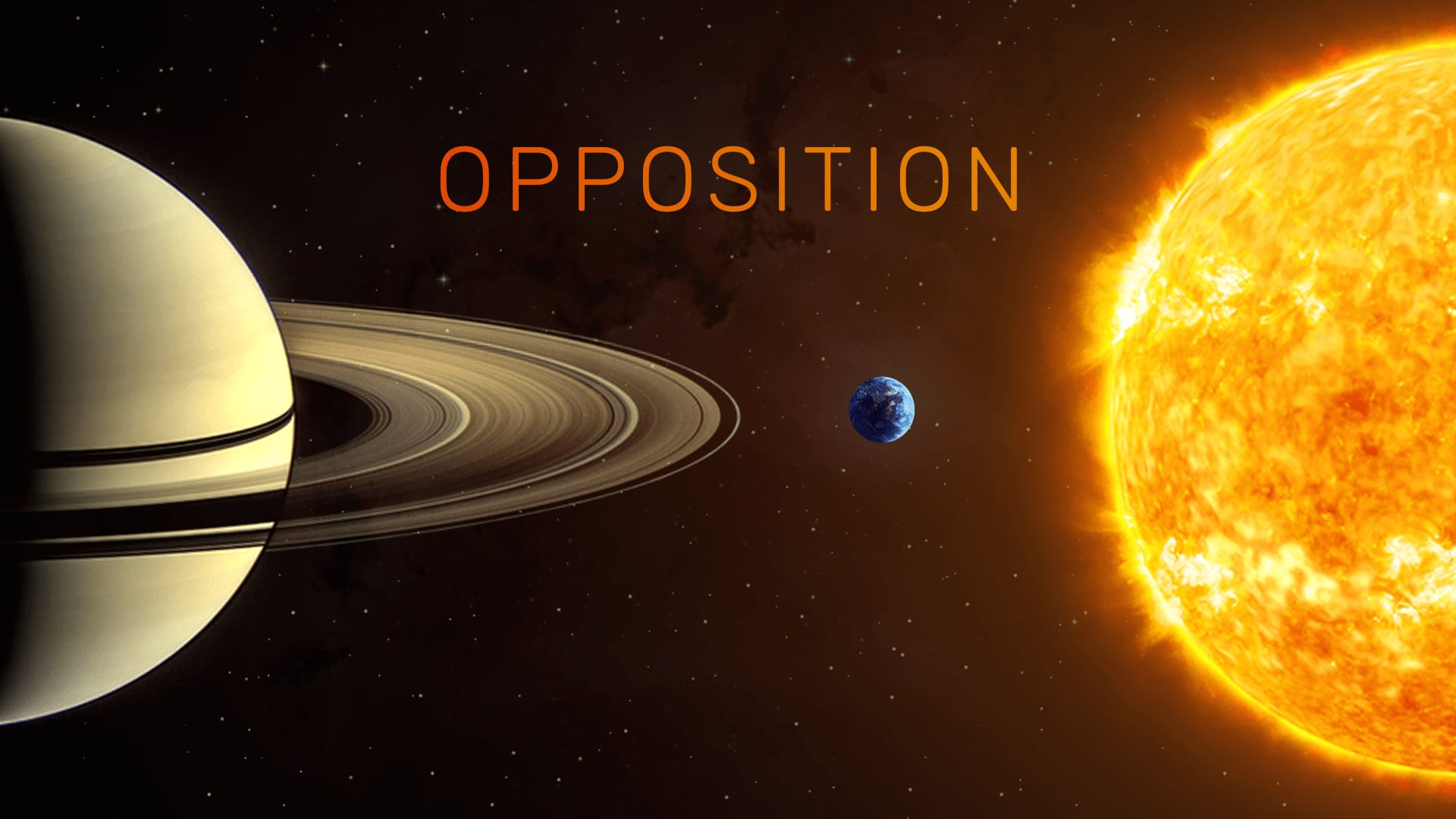
Jupiter – Around January the 10th. Jupiter will be hitting its opposition; this means that it will be standing directly opposite to the Sun, making it shine at its brightest. In addition, its magnitude will reach a point where Jupiter will be hard to miss even for casual stargazers. Jupiter will be glowing all night long, from sunset, to sunrise, high in the Constellation Gemini.
February
Ring of fire sun eclipse – The moon will pass in front of the Sun without fully covering it, leaving a bright ring of sunlight visible around the moon.
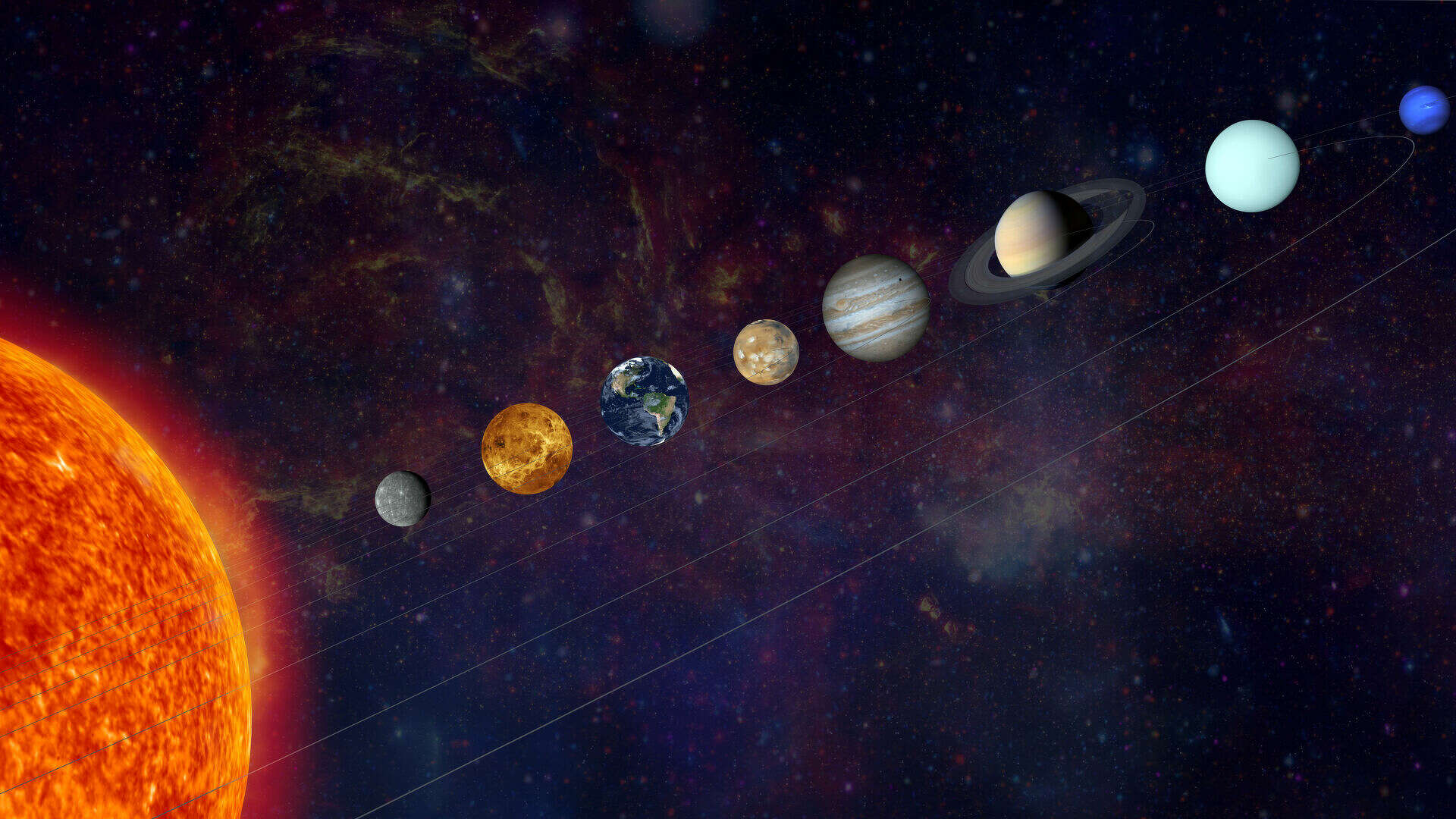 6 planet alignment (Planet Parade) – This event will be happening around February 28th. All six planets (Mercury, Venus, Jupiter, Saturn, Uranus and Neptune) will gather for a rare planetary alignment. About an hour after sunset, they will be lined up in a gentle diagonal, rising from the western horizon up toward the almost full moon.
March
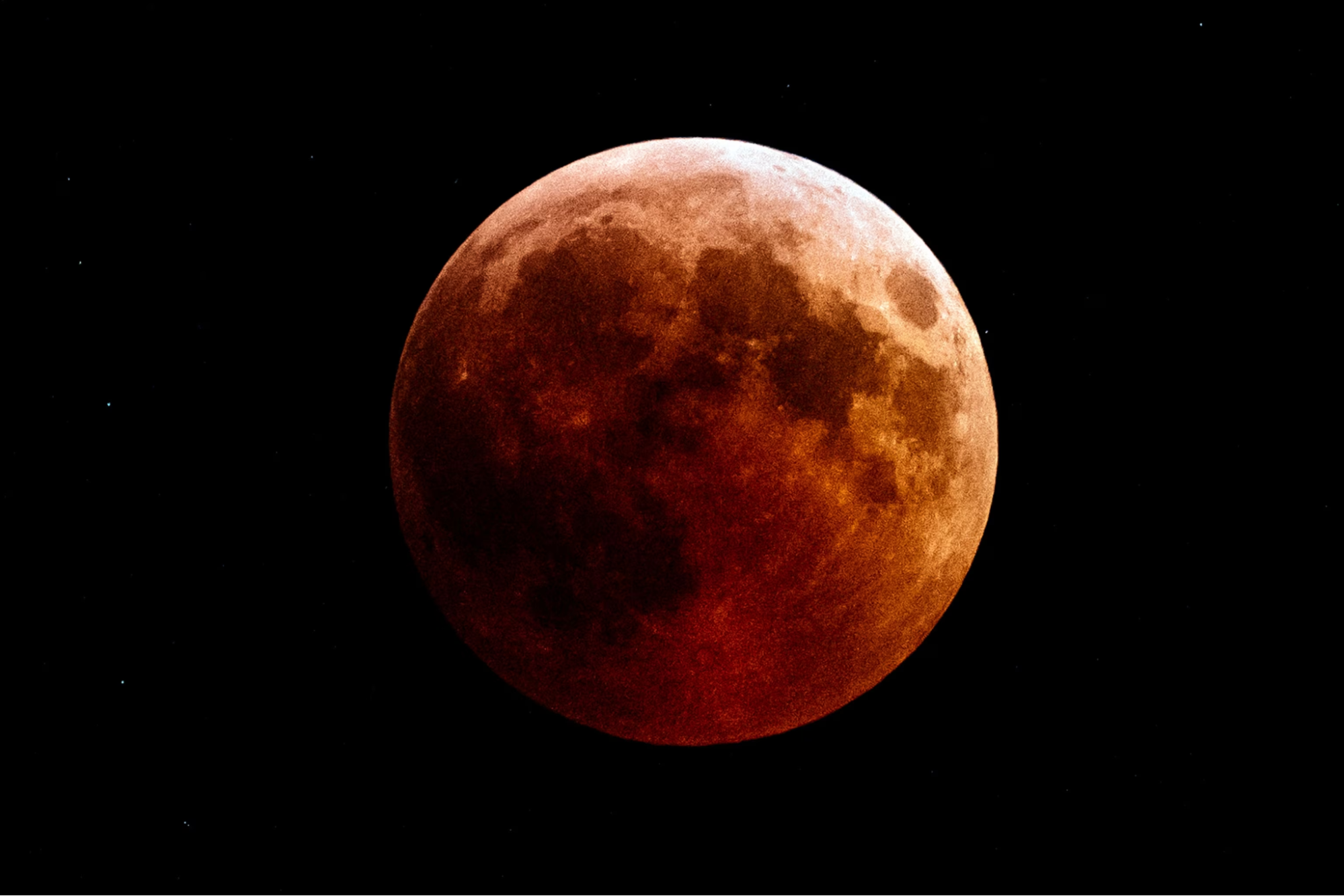 Blood Moon/Total Lunar Eclipse – The moon will turn reddish as it passes fully into Earth’s shadow. This event will only be visible across the Pacific region, with partial visibility from Asia, Australia, and the Americas and will last for around 58 minutes.
April
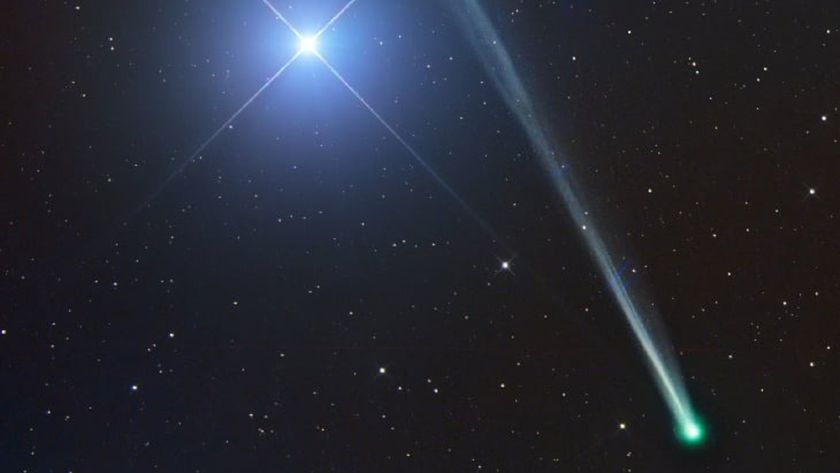 C/2025 R3 (PANSTARRS) – This will be happening around April 25. Comet C/2025 R3 (PANSTARRS) will be reaching its maximum brightness, predicted to be around magnitude 7.7 and it might even become visible to the naked eye and be observable in the northern sky after sunset.
August
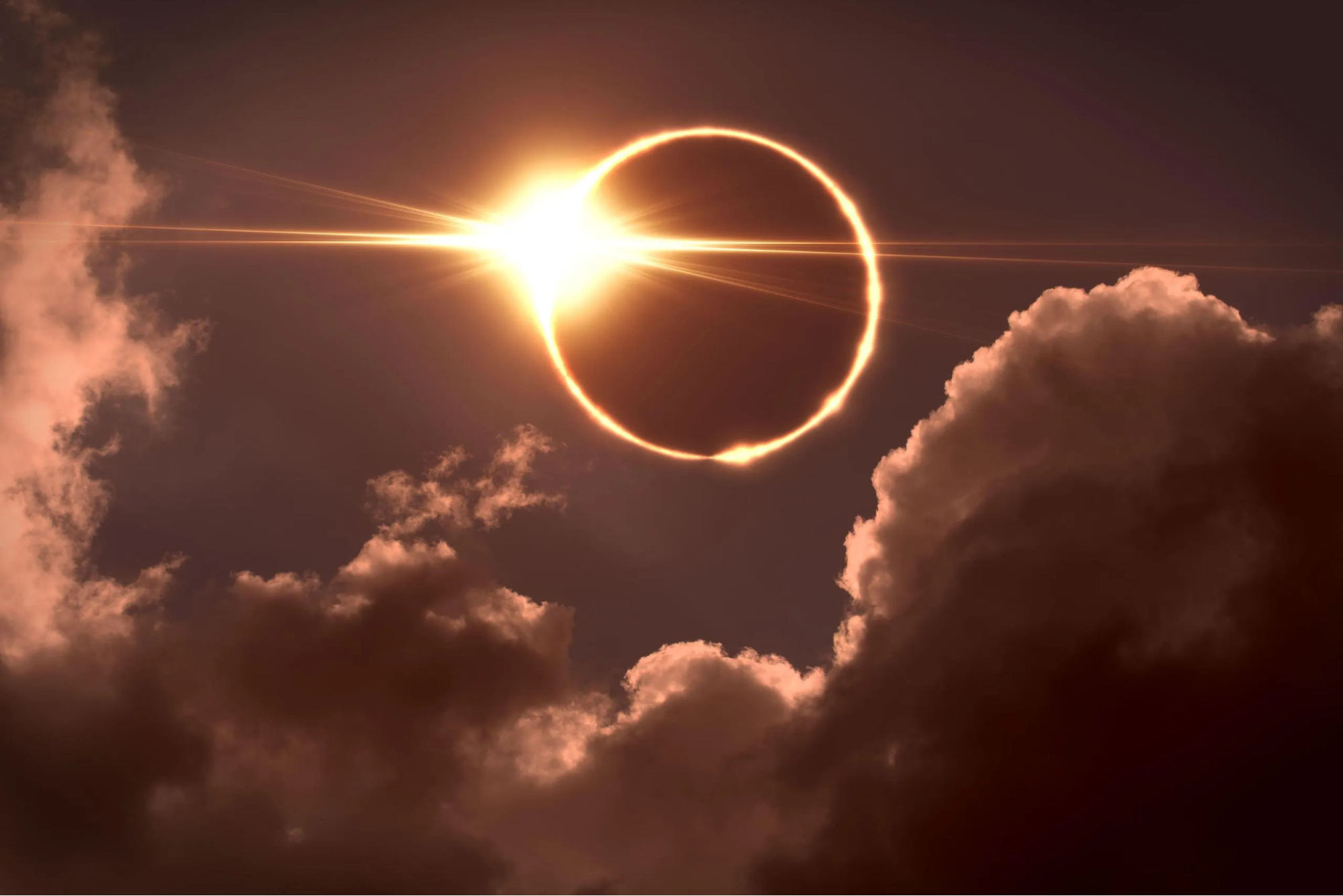 Total solar eclipse – The moon will completely cover the sun, turning day into night for a decent amount of time.
October
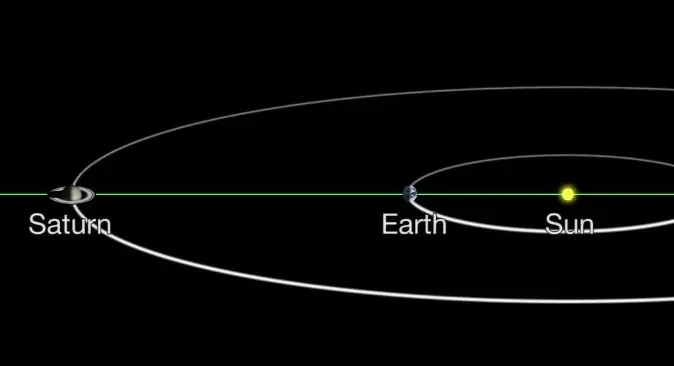 Saturn will reach its opposition – Saturn will reach its closest path to Earth and will be at its brightest making its rings easily visible through a telescope.
November
Leonids meteor shower – This is a fast and famous meteor shower known for occasional meteor storms. Leonids travel at speeds of 44 miles (71 kilometers) per second, and they are considered to be some of the fastest meteors. Moreover, they are best viewed during nighttime and away from the city.
December
 Massive Supermoon – This is another full moon occurring near perigee, making it look extra large and bright, especially near the horizon.
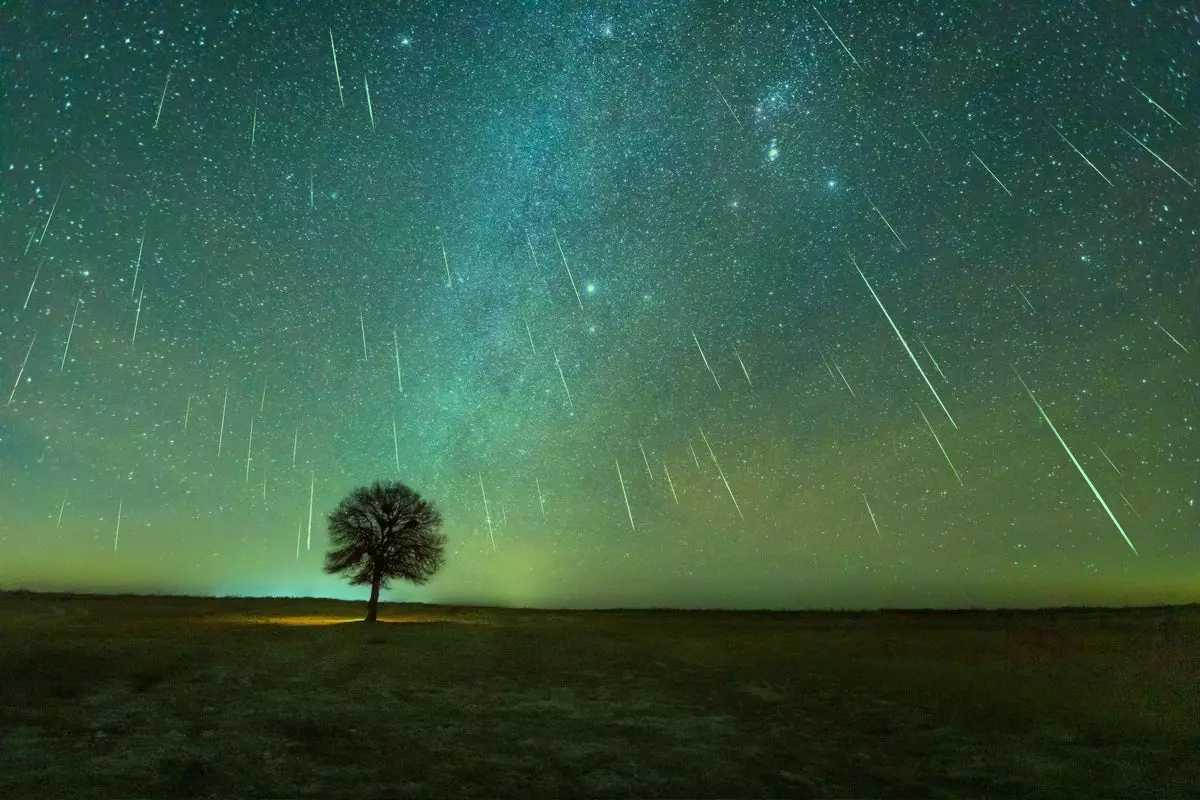
Gimenet meteor shower – One of the best meteor showers of the year, producing slow, bright meteors in large numbers. This is a great event that could give an opportunity for beginners to experience a stargazer observation.